Good equipment only delivers when it's properly maintained. That was the starting point of our project with Groupe Cogir across six seniors' residences in Greater Montréal. Here's how we brought idle hydroponic gardens back to life, and what it taught us about keeping indoor growing systems productive over time.
Client: Groupe Cogir, seniors' residences
Residences: Jazz Longueuil, Jazz St-Bruno, Jazz Brossard, Mostra Longueuil, Mostra Candiac, Cité Rive
Service: Restart and maintenance of indoor hydroponic systems
Region: Greater Montréal (South Shore)
Where it started: quality equipment sitting idle
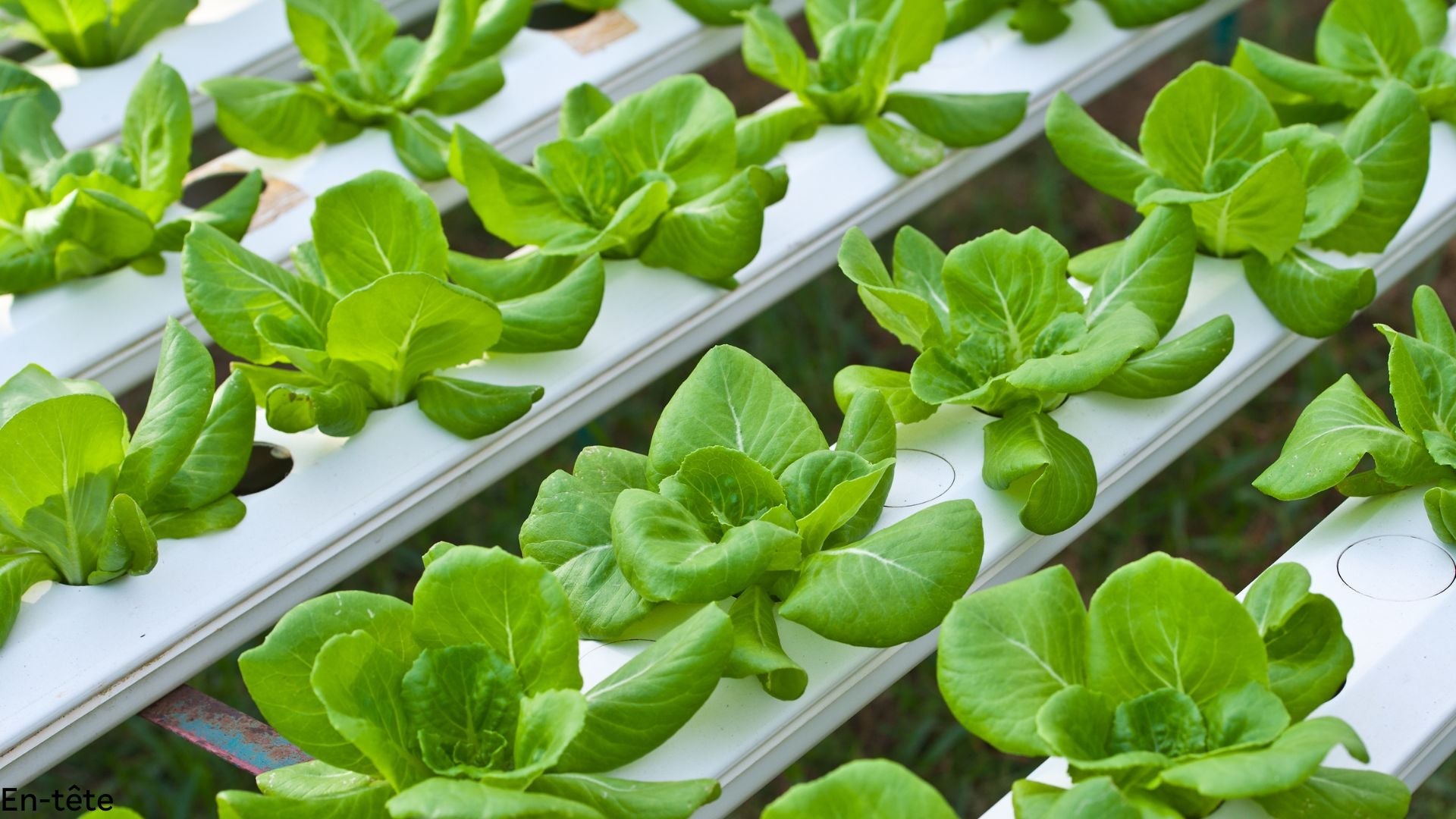
Several Cogir residences had hydroponic gardens installed in their dining rooms to grow a variety of lettuces on site. The idea was a good one: fresh greens for residents, grown a few metres from their plates. Over time, though, the systems stopped running.
The problem wasn't the technology but the maintenance model. Without the right upkeep, the gardens stopped producing and stayed idle for several years.
When we learned about this, we offered to help Cogir restart the project. The condition of the systems was clear from the first visit: worn, neglected, in need of a deep clean and a full overhaul. What surprised our team was how solid the equipment still was underneath. The potential was there. It just needed to be switched back on.

Bringing the gardens back: repair, sanitize, diversify
The restart covered three areas:
- Technical repairs: new pumps and leak-prevention systems for reliable long-term operation.
- Full sanitization: deep cleaning and disinfection of every installation, a non-negotiable step when growing food people will eat.
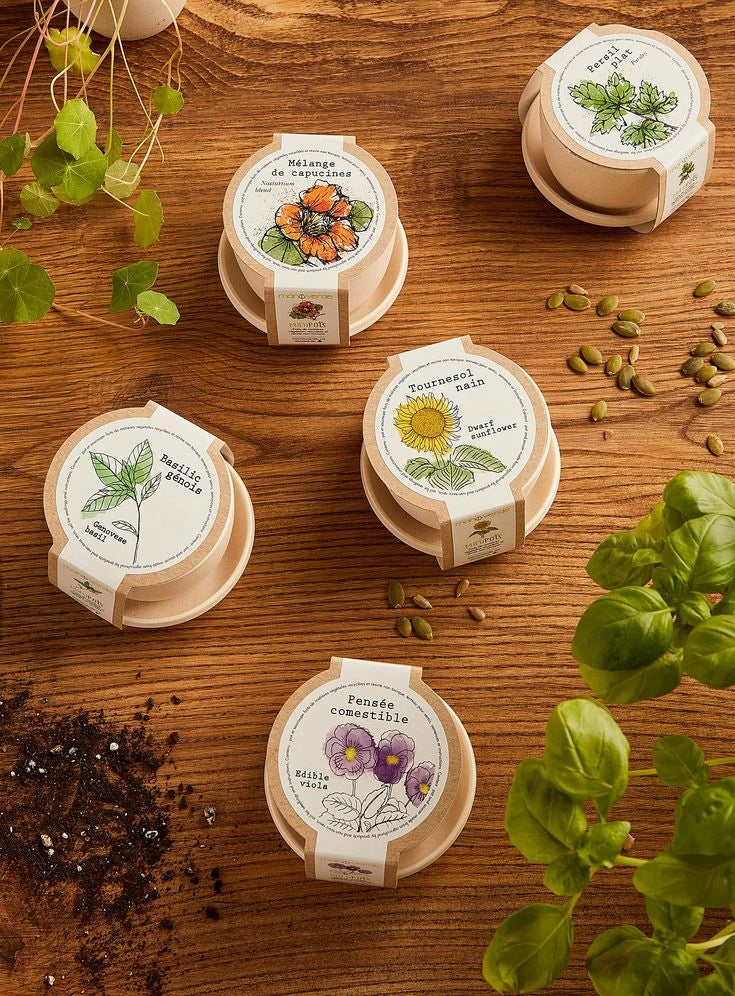
- More variety: systems that once grew only lettuce now produce herbs, a wide range of greens and edible flowers.
Each system was back up and running after a few hours on site. A garden that has sat idle for years can become productive again quickly, with the right expertise and method.
Regular maintenance: what keeps production steady
Beyond the restart, the project confirmed a principle we now apply across all our B2B installations: maintenance frequency directly drives yield.
We've found that weekly or twice-monthly visits give much better control over production than monthly ones. Closer follow-up catches problems earlier, keeps plant growth steady and leads to more regular, more abundant harvests. However good a system is, it won't hold up without regular care.
That's why we manage the entire cycle ourselves: maintenance, production monitoring and harvesting. Residence directors and staff don't have to deal with anything technical, and residents enjoy the results without adding to anyone's workload.

Results: fresh harvests, 12 months a year
Every system is running again. All six residences are in full production, and two more sites will soon join the project.
Each site produces around 4 to 5 kg (roughly 9 to 11 lb) of greens per week, depending on location. Vegetables, herbs and edible flowers are grown on site without pesticides and are available year-round, including in the middle of a Canadian winter, when local produce is hardest to find.
The project goes beyond production. At Jazz Brossard, a hands-on planting workshop brought residents together around the systems for a moment of activity and learning. Feedback from residents has been very positive: they're glad to see these spaces come back to life, and to enjoy what they produce.

Why this partnership matters
For us, working with Cogir serves a clear goal: improving seniors' quality of life and strengthening local food resilience. A hydroponic garden in a residence brightens everyday life, sparks conversation and shared knowledge, and provides fresh, hyperlocal produce all year long.
For property managers, it's a concrete, measurable ESG initiative: a valued amenity for residents, visible impact, and no added burden on existing teams. Our programs are built to deliver exactly that.

Have an idle hydroponic system, or thinking of installing one?
As the Cogir project shows, an idle system isn't a lost cause. With the right expertise and regular maintenance, it can be productive again within hours and stay that way.
We offer fully managed hydroponic maintenance and support for residences, institutions and businesses. Our team will assess your installation and recommend a program that fits, with no operational burden on your staff.